Getting a welding procedure specification (WPS) approved with Qualimet
A welding procedure specification gets approved when it’s tested against your actual shop and field conditions. Qualimet develops, revises and PQR tests WPS packages against ABSA for pressure work, ASME for vessel code and CSA Z662 for pipeline scope. That also covers CWB for structural and API and AWS for client-specified requirements. A documentation-only WPS package typically takes three to four business days. Where procedure qualification testing is required, standard turnaround runs around five business days after successful mechanical testing, with rush turnaround as fast as one business day. The same team writing the procedure also runs the qualification test in Qualimet’s own lab, so nothing waits on a third-party facility.
What’s included in a Qualimet WPS and PQR package
- Develop or revise WPS to ABSA, ASME, CSA (including CSA Z662 for pipeline scope), CWB, API and AWS requirements, plus client-specific requirements.
- Qualification test planning and PQR development and validation.
- WPDS delivery for certification.
Send over the details of your job and Qualimet will confirm which of these applies.
Materials Qualimet qualifies procedures for beyond standard steel
- Nickel-based alloys.
- Hard-facing overlays.
- Aluminum.
- Advanced and corrosion-resistant alloys.
- Carbon and stainless steels.
Qualimet keeps this list current as new alloys come through your shop and ours.
Your last WPS worked. This client rejected it anyway.
A welding procedure specification that passed on your last job can still get rejected on this one. We see that gap most often when a new material or code requirement shows up mid-project with no qualified procedure to cover it. It also happens when an ABSA audit flags procedures that were never brought current. It also happens when a client’s engineering group rejects a WPS that’s technically sound but doesn’t match how your team welds in the field. Most of the shops calling Qualimet in already have the right equipment and a welder capable of the joint. What’s usually missing is a procedure qualified to this exact job. The paperwork lands on your crew the same way every time: waiting, while the schedule keeps moving.
What actually gets checked before a WPS gets rewritten
Qualimet looks at the actual weld setup, the field conditions and what the client’s requirement is actually asking for before touching the procedure itself. That’s how a genuine technical problem gets separated from a misread of the requirement, which is what a rejection usually turns out to be. Once that’s clear, we adjust the procedure to match how your crew actually welds and run the qualification test through Qualimet’s own CWB-certified facility and ISO 17025 lab. When it’s needed, we also take the acceptance question straight to your client’s engineering group on your behalf. Few fabrication shops without an in-house engineering group and lab can offer that last step at all.
How a WPS gets from rejected to accepted
- Assess the job first We look at the actual weld setup and field conditions on your job before touching the paperwork.
- Sort technical problem from requirement misunderstanding Most rejections are the second one, which changes what actually needs fixing on your end.
- Align the procedure to how your crew welds The revised WPS matches how your crew actually welds in the shop and field.
- Run the qualification test PQR testing happens in Qualimet’s own CWB-certified facility and ISO 17025 lab. Nothing about your qualification sits in a queue at a third-party shop waiting its turn.
- Resolve acceptance with your client’s engineering group, when needed Qualimet can take the technical conversation on directly, on your behalf.
- Deliver the WPDS You get the documentation your QA/QC team needs on hand for certification, ready before the next audit.
Qualimet Case Study: A rejected WPS, corrected and back on the job in days
A contractor mid-project had their standard WPS rejected by the client. The procedure had worked in the shop for years, but it was too restrictive for the field position and conditions on this specific job. Qualimet reviewed the actual weld setup, clarified what the client’s requirement meant in practice and adjusted the procedure to match real execution conditions. A fast-tracked qualification test confirmed the change. The corrected WPS was accepted, welding resumed and the job finished without a second rejection. It’s the same path we’d run for your procedure if a client rejected it mid-job.
Qualimet’s credentials
Qualimet is a certified, accredited engineering and inspection firm, and that backing covers every procedure we qualify, including yours. Qualimet is CWB-certified and holds an ABSA Certificate of Authorization. We’re also an APEGA permit holder, with P.Eng. registrations across six jurisdictions: British Columbia, Alberta, Saskatchewan, Manitoba, Ontario and the Yukon. Qualimet runs its own in-house testing lab and has operated since 1973.
A qualified WPS stops failing for the same reason twice
Once Qualimet qualifies a WPS against your actual shop and field conditions, it stops getting rejected for the same reason twice. Your crew keeps working through a code change or a new material instead of waiting on a rewrite. Your QA/QC team walks into an audit with a documented, defensible package already in hand. A new client or a new material eventually puts the same procedure back in question, and that’s when we hear from you again, for a revision instead of a rebuild. Related support: Welder Qualifications for testing, Quality Manuals and Inspections.
Qualimet WPS and PQR questions
Can Qualimet tell us if our current WPS will pass on a new job?
Usually, yes and often before you commit to the job. We review your existing WPS against the new project’s material, position and client-specific requirements. A procedure that passed on your last job can still fail this one if any of those three differ. Send us your current WPS and the new job’s specs, and we’ll check it against this project specifically.
Our client rejected the WPS we’ve always used. What do we fix?
It depends on what’s actually wrong, and most of the time it’s less than a full rebuild. Qualimet reviews the procedure against your actual weld setup and the client’s specific requirement to find out what needs to change. Once that’s sorted, we adjust and requalify only the part your job actually needs.
Do we need a new WPS for a new material or code?
Likely yes. A new material, thickness or code standard, whether that’s ASME, CWB, API, CSA or AWS, usually falls outside what your existing procedure was qualified for. We develop and PQR-tests a new WPS specific to the material and code, so it’s approved and defensible before anyone welds against it in the field. A documentation-only WPS and PQR package handled by us end to end typically takes three to four business days. Where qualification testing is required, allow around five business days after successful mechanical testing, depending on scope.
ABSA flagged our procedures during an audit. What happens now?
Qualimet reviews the flagged procedures against ABSA’s specific requirements first, since not every flag means the same fix. We correct what’s out of compliance and requalify through testing wherever a flag calls for it, aiming for a documented package your next audit doesn’t raise again.
What’s the difference between a WPS and a PQR?
A welding procedure specification, or WPS, is the written instructions a welder follows for a specific joint, material and process. A procedure qualification record, or PQR, is the test record proving those instructions actually produce a sound weld when followed. The WPS is the plan, and the PQR is the evidence the plan works. Qualimet develops the WPS and runs the PQR testing behind it in the same shop, and we keep that pairing in-house on every procedure written, including yours.
We’re starting a welding company. Does Qualimet handle procedures from day one?
Yes. We build a full WPS and PQR package from scratch for a new welding business, giving you approved, defensible procedures in place before your first job. If you’re setting up the whole business, our Contractor Startup Program covers the wider CWB and ABSA path new contractors need to get through.
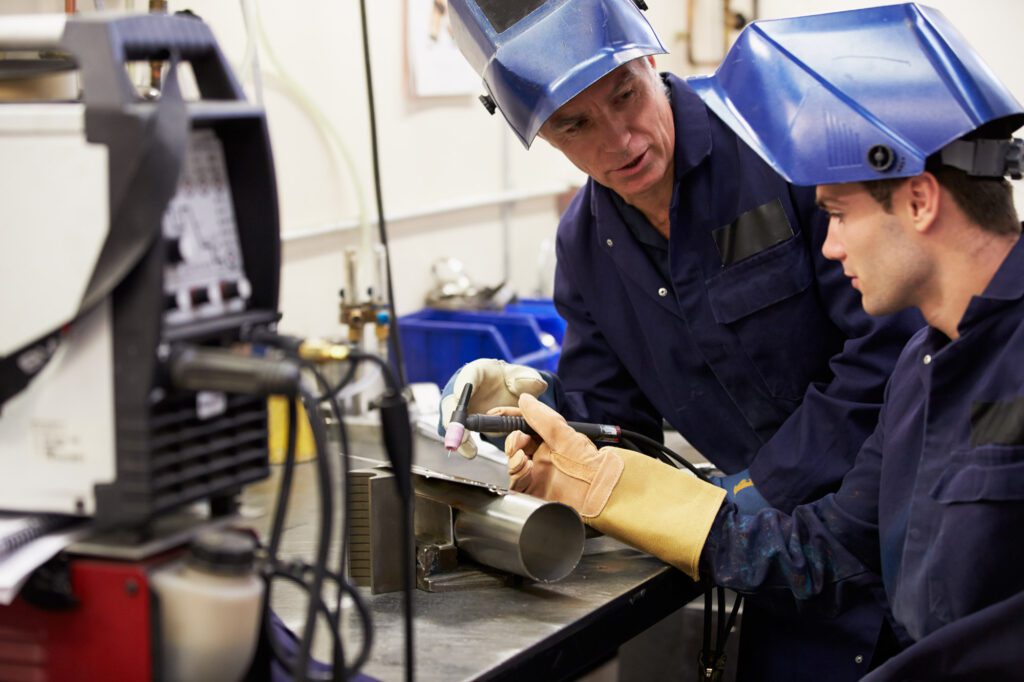


At Qualimet, we don’t just weld; we craft excellence.
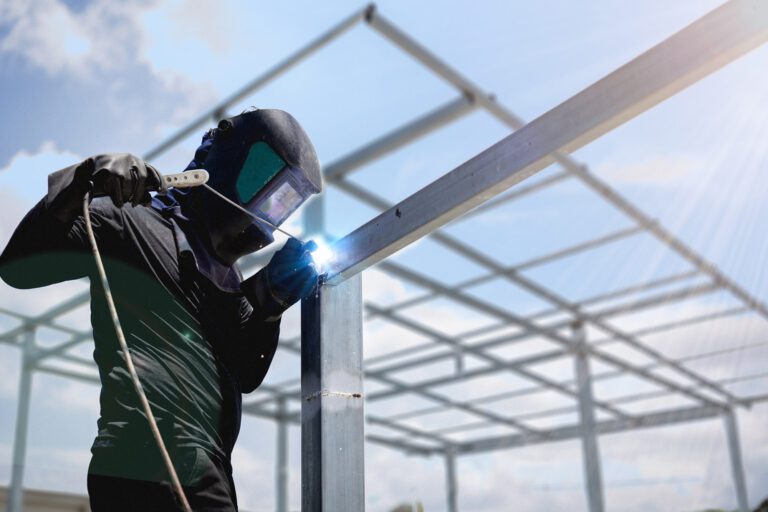
Quality Manuals
QA/QC program approval the Qualimet way A QA/QC program gets approved when it’s built around how your shop…
Learn more about Quality Manuals ▸

Codes & Standards
How Qualimet interprets codes and standards for your project Codes and standards interpretation tells you which code actually…
Learn more about Codes & Standards ▸

CWB Retained Engineers
Qualimet provides CWB Division II retained engineer solutions CWB Division II retained engineer services keep a fabricator compliant…
Learn more about CWB Retained Engineers ▸
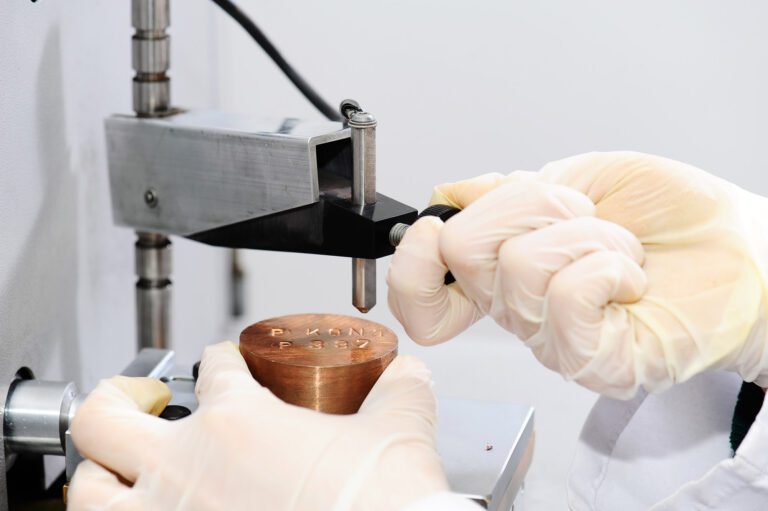
Metallurgical Consulting
How does metallurgical consulting from Qualimet prevent material failure? Metallurgical consulting prevents material failure when it’s engaged before…
Learn more about Metallurgical Consulting ▸

Welding Audit
Correcting what a welding audit finds A welding audit finds the gap between your documentation and how welding…
Learn more about Welding Audit ▸